 |
HONG KONG HIKERS CLUB |
Welcome to the Hong Kong Hikers Club!
This is the place to meet likeminded people having fun to enjoy the hundreds of trails of Hong Kong.
Posted by Daniel Kohler on 20.09.2026 View Image Gallery
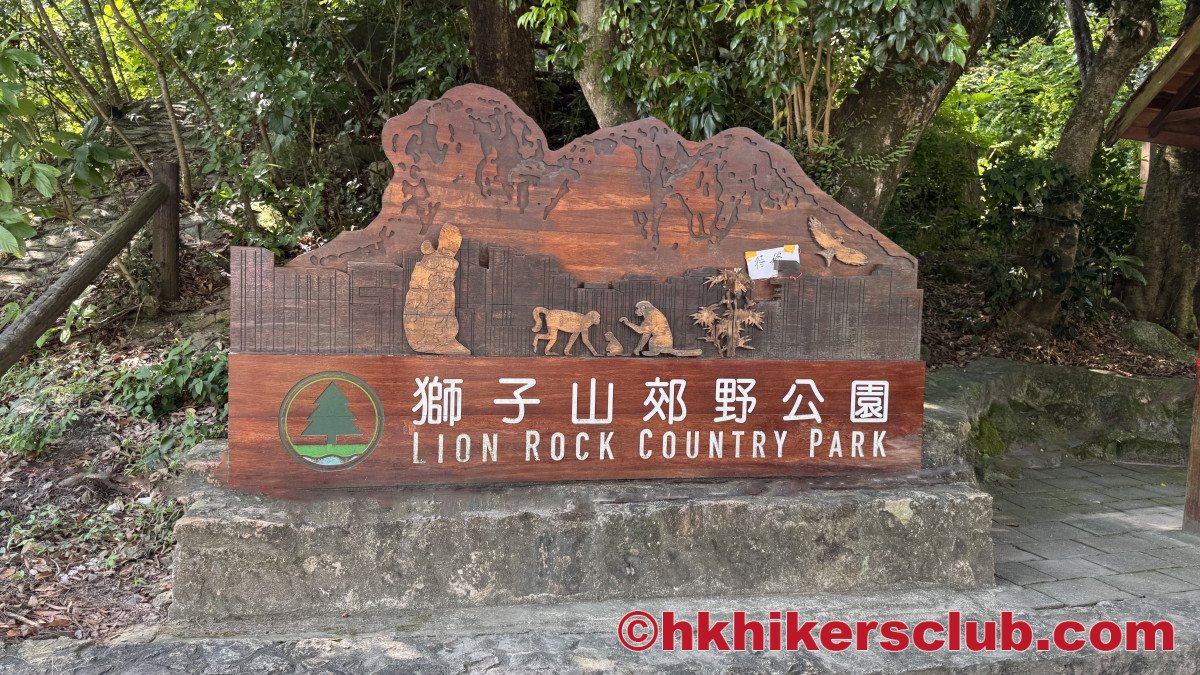
There are few hikes in Hong Kong that capture the spirit of the city quite like Lion Rock. Rising proudly between Kowloon and the New Territories, this distinctive mountain has become more than just a hiking destination. It is a symbol of perseverance, resilience, and the famous "Lion Rock Spirit" that helped shape modern Hong Kong.
Our journey began at Hung Mui Kuk Barbecue Area, where the morning air was already warm and anticipation was building. Ahead of us lay a route packed with history, challenging ascents, and some of the finest views in the territory.
Waypoints
| Label | Name |
|---|---|
| A | Hung Mui Kuk |
| B | Amah Rock |
| C | Kowloon Pass |
| D | Lion Rock Summit (495m) |
| E | Shatin Pass |
| F | Shui Chuen O |
The Climb to Amah Rock
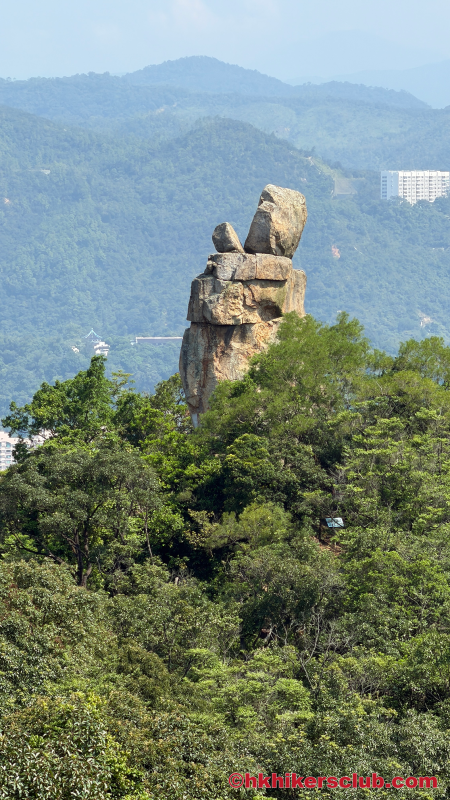
The first major landmark on the route was Amah Rock, also known as the "Husband-Watching Stone." Local folklore tells the story of a devoted woman who stood daily on the hillside looking out to sea, waiting for her fisherman husband to return. When he never came back, she was said to have turned to stone, eternally watching over the harbour.
Standing below this remarkable rock formation, it is easy to see how the legend took hold. The stone's silhouette resembles a figure carrying a child on its back, gazing into the distance.
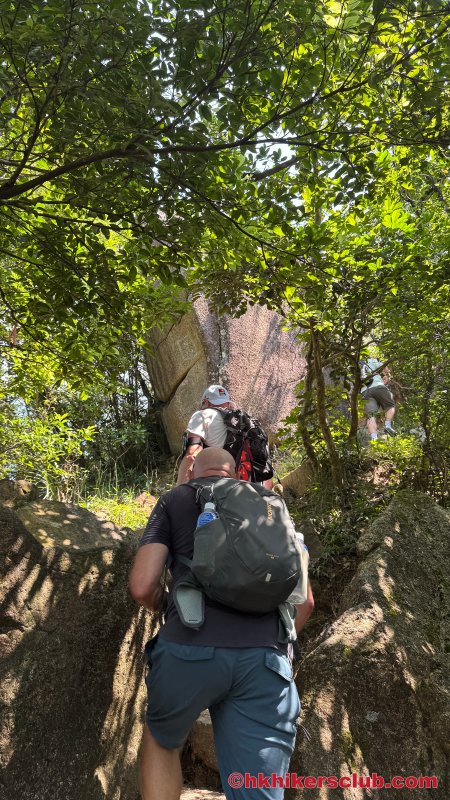
From Amah Rock, the trail quickly reminded us why this hike is rated difficult. The steep stairways and relentless uphill sections had everyone working hard. Sweat poured, breathing deepened, and the mountain demanded respect.
Through History at Kowloon Pass
As we continued upwards, we reached Kowloon Pass, an area with significant wartime history. During the Second World War, this strategic location formed part of Hong Kong's defensive network. Remnants of military structures and defensive positions can still be found along the surrounding hillsides, offering a glimpse into a turbulent chapter of Hong Kong's past.
Today the sounds of war have long been replaced by birdsong and rustling leaves, but the history remains beneath every step.
The Challenge of Lion Rock
The final ascent towards Lion Rock Ridge was the toughest section of the day.
The path steepened, the forest thinned, and the famous rocky summit came into view. This was the moment everyone had been waiting for.
As we climbed higher, the reward gradually revealed itself.
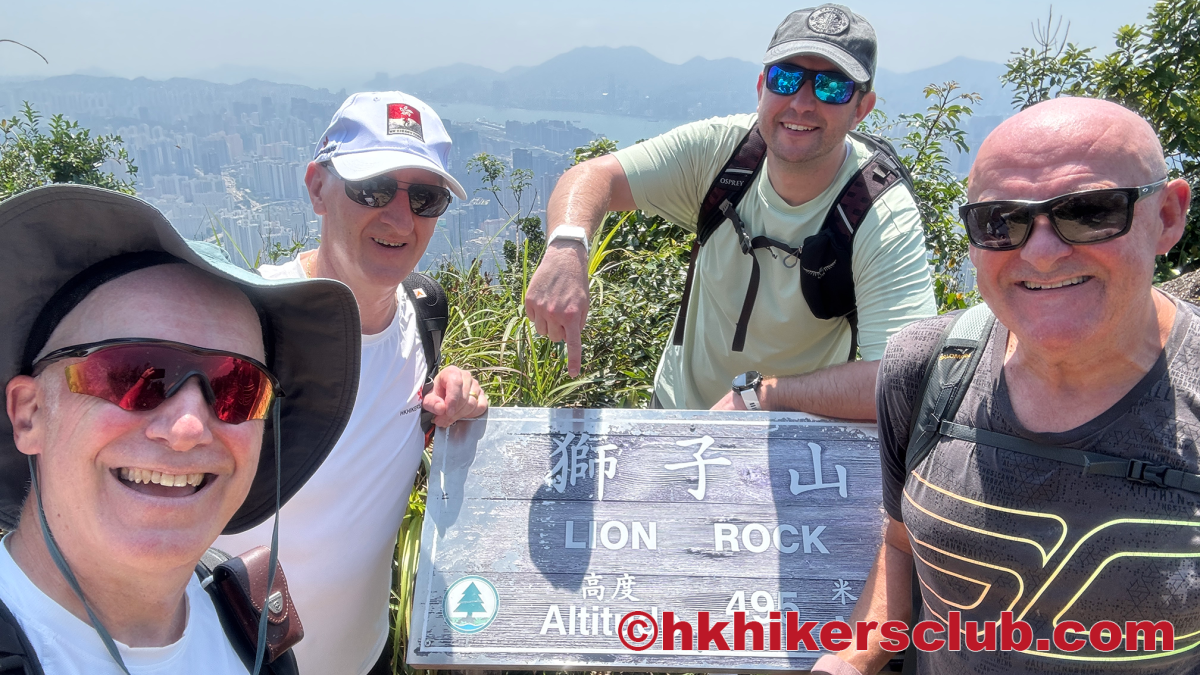
Then we reached the top.

A View Worth Every Drop of Sweat
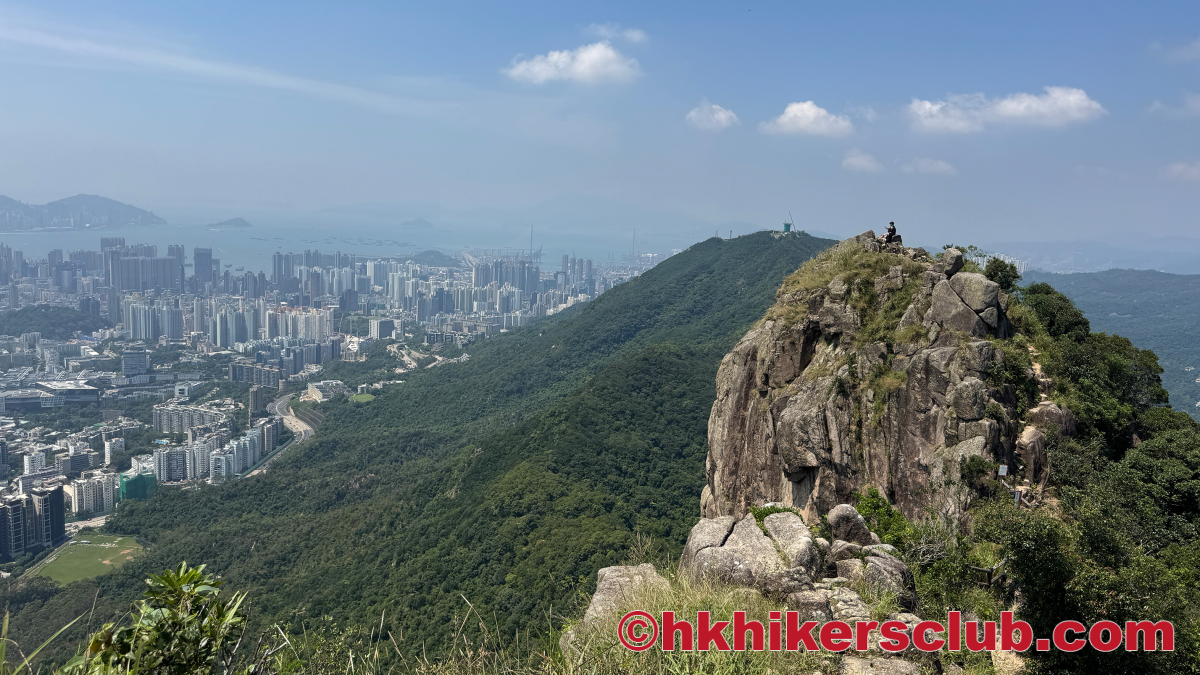
From the Lion Rock summit and ridge, Hong Kong unfolded beneath us in spectacular fashion.
To the south, Victoria Harbour stretched between the skyline of Hong Kong Island and Kowloon. To the north, Sha Tin and Tolo Harbour shimmered in the sunlight. Beyond that, mountain ranges rolled across the horizon in every direction.
The view was nothing short of breathtaking.
Standing on Lion Rock, one can truly appreciate the unique geography of Hong Kong. Dense urban development gives way almost instantly to wild country parks, rugged mountains and forested valleys. Few places in the world offer such a dramatic contrast between city and nature.
It was one of those summit moments that reminds hikers why they keep coming back to the trails.
The Lion Rock Spirit
Lion Rock carries a significance that extends far beyond hiking.
The term "Lion Rock Spirit" emerged during the 1970s and came to symbolise determination, hard work, unity and perseverance. Generations of Hong Kong residents looked to Lion Rock as a reminder that success is built through resilience and collective effort.
Looking out from the summit after a demanding climb, it is easy to understand why this mountain became such a powerful symbol.

A Memorable Day on the Trails
After enjoying the views, taking photographs and sharing stories, we began our descent via Shatin Pass and sections of the historic Tsz Sha Ancient Trail, eventually returning to the city below.
The Lion Rock Historic Walk delivered everything it promised:
- Challenging ascents
- Fascinating local history
- Unique rock formations
- Spectacular panoramic views
- Great company on the trail
Most importantly, it left us with a renewed appreciation for one of Hong Kong's most iconic landmarks.
Some hikes are remembered for their scenery. Others for the challenge.
Lion Rock is remembered for both.
Until the next adventure, happy hiking from the HK Hikers Club.